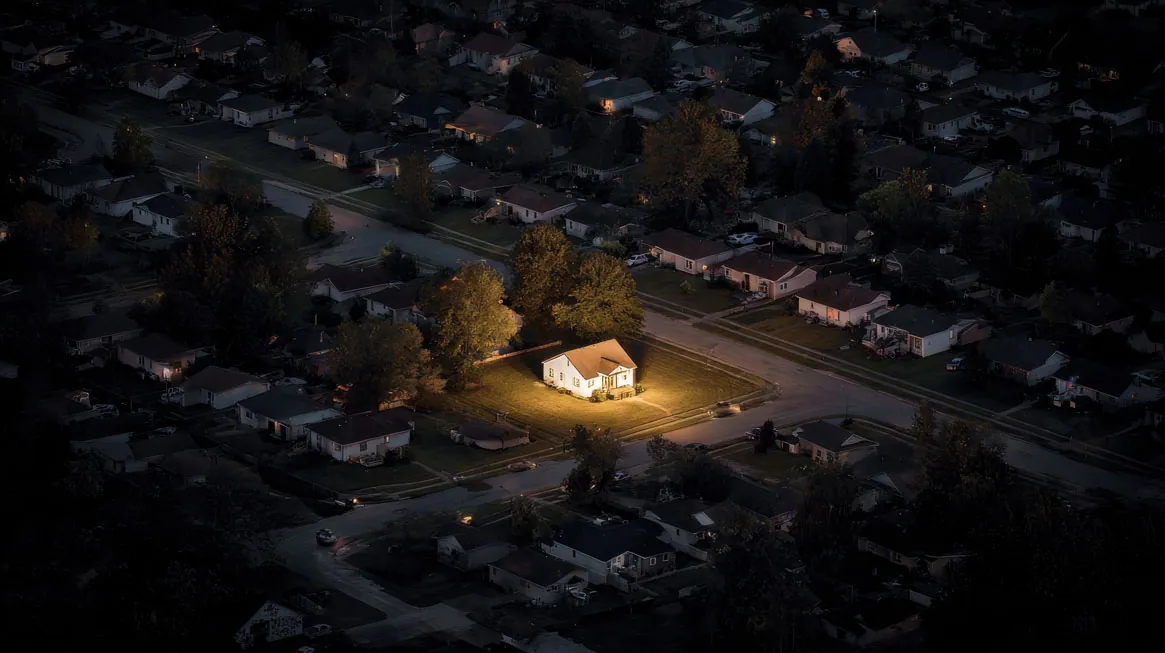
It's one of the most common questions we get from Colorado homeowners, and the answer surprises people: a standard rooftop solar system stops producing power the moment the grid goes down — even in bright midday sun.
Why your panels shut off
Most residential solar in Colorado is grid-tied. Your panels feed the home first, and any extra production flows back onto the utility grid, earning you credit through net metering.
That two-way connection is exactly why the system has to shut down during an outage. If your panels kept pushing electricity onto lines that utility crews believe are dead, those crews would be working on an energized circuit. To prevent that, inverters are required to detect a grid failure and disconnect within a fraction of a second. It's called anti-islanding protection, and it's a safety requirement, not a defect.
Your panels aren't broken during an outage — they're doing exactly what code requires them to do. Adding storage is what changes the outcome.
What it takes to keep the lights on
To use your solar during an outage, you need a way to safely isolate your home from the grid. That means one of two things:
- Battery backup. A battery paired with a backup-capable inverter creates a self-contained "island." Your home disconnects from the grid, the battery powers your circuits, and your panels can keep recharging the battery through the day.
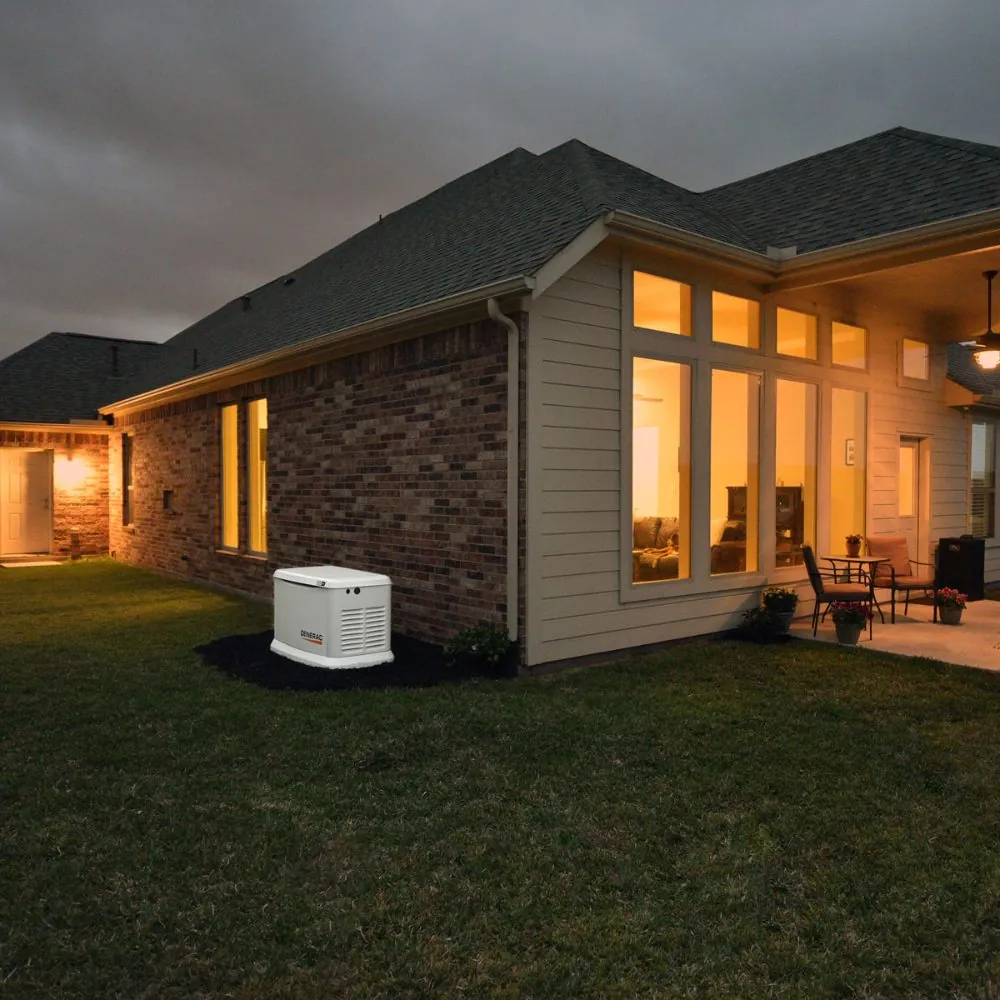
- A standby generator. An automatic transfer switch cuts your home off from the grid and starts the generator. It doesn't use your solar, but it can run for days as long as it has fuel.
Which one fits your home?
It depends on what you're solving for. Batteries are silent, need no fuel, and pull double duty by shifting solar energy into expensive evening rate periods. Generators cover long multi-day outages and heavy loads like central AC without draining down.
Plenty of Front Range homeowners end up with both — a battery for the frequent short outages and everyday savings, and a generator as the deep backstop for a multi-day winter storm.
What a battery will actually run
This is where expectations matter. A single battery generally won't run your entire house indefinitely. What it will do is cover the circuits that matter for as long as you need them:
- Essentials — lights, outlets, refrigerator, WiFi, furnace fan — often a day or more.
- Essentials plus conveniences — add the microwave, garage door, TV, coffee maker — typically most of a day.
- Whole home, including AC — usually calls for multiple batteries, or a generator.
And critically: if the sun is out, your panels recharge the battery during the day. That's what makes solar-plus-storage fundamentally different from a battery alone — in many outages, homeowners barely notice the grid is down.
The bottom line
Solar panels alone won't power your home through an outage, and no reputable installer should tell you otherwise. But solar with a properly sized battery absolutely will — and in Colorado, where hail, wind, and winter storms take down lines every year, that combination is why a growing number of our customers add storage from day one.
Want to know what a battery would cover in your home?
Our battery performance estimator shows how long each load profile would run based on your actual usage and solar production.
Try the Battery Estimator