After the December 2025 Public Safety Power Shutoffs left over 100,000 Colorado homes without electricity for up to five days, one question came up more than any other:
"What can I actually do to protect my home?"
The answer, for most homeowners, is a home battery storage system. Here's how they work, what they can realistically power, and what to look for if you're considering one.
How home battery backup works during a PSPS
When the grid goes down — whether from a PSPS event, a storm, or a downed line — a home battery system acts as your own private power source.
Here's the basic flow:
- Normal operation: Your battery charges from your solar panels during the day (or from the grid overnight, if you choose).
- PSPS announced: Modern systems like Enphase and Tesla Powerwall have automatic storm detection that charges your battery to full capacity before a shutoff.
- Grid goes down: Your system automatically switches to backup mode — typically in milliseconds, fast enough that you don't even notice the transition.
- Battery powers your home: Your selected circuits (or your whole home, depending on system size) run off stored energy.
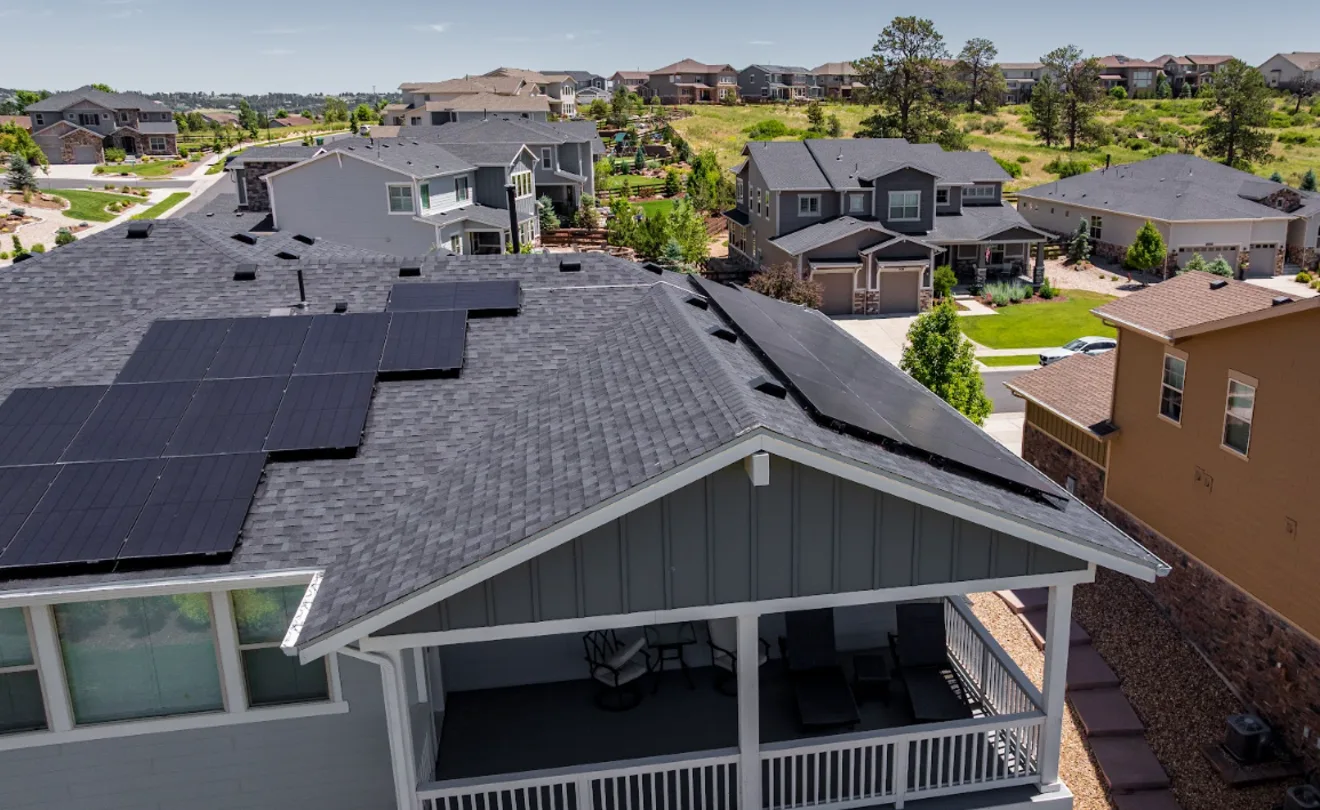
- Solar panels recharge the battery: If your system is paired with solar, your panels continue generating power during the day and topping up the battery — giving you potentially indefinite backup as long as the sun shines.
That last point is the key differentiator. A battery alone is a finite resource. A battery paired with solar is a self-renewing one. During a multi-day PSPS event in December, a solar + battery system keeps cycling — charging during daylight hours and powering your home through the night.
What can a battery actually power?
This depends on system size and how you configure your backup circuits. There are two approaches:
Essential load backup
You select specific circuits to back up — typically lights, refrigerator, internet router, phone charging, and maybe a few outlets. This is the most common and cost-effective approach. A single battery can power essential loads for 8–24 hours depending on usage.
Whole-home backup
Your entire home runs off the battery, including HVAC, washer/dryer, EV charger, and everything else. This requires a larger system but gives you the most flexibility. With solar recharging, most Colorado homes can achieve indefinite whole-home backup during normal daylight conditions.
Here's a practical reference for daily household energy consumption:
| Appliance | Approximate daily usage |
|---|---|
| Refrigerator | 1–2 kWh |
| LED lighting (whole home) | 1–2 kWh |
| Internet router | 0.5 kWh |
| Phone / laptop charging | 0.2–0.5 kWh |
| Electric range (moderate use) | 3–5 kWh |
| Central A/C or heat pump | 10–15 kWh |
| Electric water heater | 4–6 kWh |
| Average Colorado home total | ~28–32 kWh/day |
The two systems we install most
At Solar Wave, we primarily install two battery platforms — each with different strengths.
Enphase IQ Battery
Enphase is our most commonly installed battery system, and for good reason. It pairs seamlessly with Enphase microinverters (the inverter system we use for solar panels) and offers a modular design — meaning you can start with one or two batteries and add more later as your needs grow.
- IQ Battery 5P: 5.0 kWh usable, 3.84 kW continuous output
- IQ Battery 10C: 10.0 kWh usable, 7.08 kW continuous output — our most popular option
- Scalable: stack up to 40 kWh (or 80 kWh with Power Control System enabled)
- Designed to work natively with Enphase solar systems
- Monitored and controlled via the Enphase app
Tesla Powerwall 3
The Powerwall 3 is Tesla's most capable residential battery yet, and it's become increasingly popular for homeowners who want whole-home backup capability from a single unit.
- 13.5 kWh usable energy storage
- 11.5 kW continuous output — enough to run most whole-home loads including HVAC
- Integrated solar inverter (no separate inverter needed for new solar installs)
- Storm Watch feature automatically pre-charges before severe weather
- Can start heavy loads up to 185 LRA (pumps, compressors, motors)
- Scalable: add Powerwall 3 Expansion units for more capacity
- 10-year warranty
How long will my battery last during a PSPS?
The honest answer: it depends on your system size and how you use it. Here's a practical estimate:
| System | Essential loads only | Whole-home |
|---|---|---|
| 1× Enphase IQ 10C (10 kWh) | 16–24 hours | 8–10 hours |
| 2× Enphase IQ 10C (20 kWh) | 2–3 days | 16–20 hours |
| 1× Tesla Powerwall 3 (13.5 kWh) | 24–36 hours | 10–14 hours |
| 2× Tesla Powerwall 3 (27 kWh) | 3–4 days | 20–28 hours |
| Any of the above + solar | Indefinite during daylight recharging | Greatly extended |
The December 2025 PSPS lasted up to 5 days in some areas. A solar + battery system of 20 kWh or more would have kept most Colorado homes running through the entire event, cycling through daily solar recharges.
What about a generator instead?
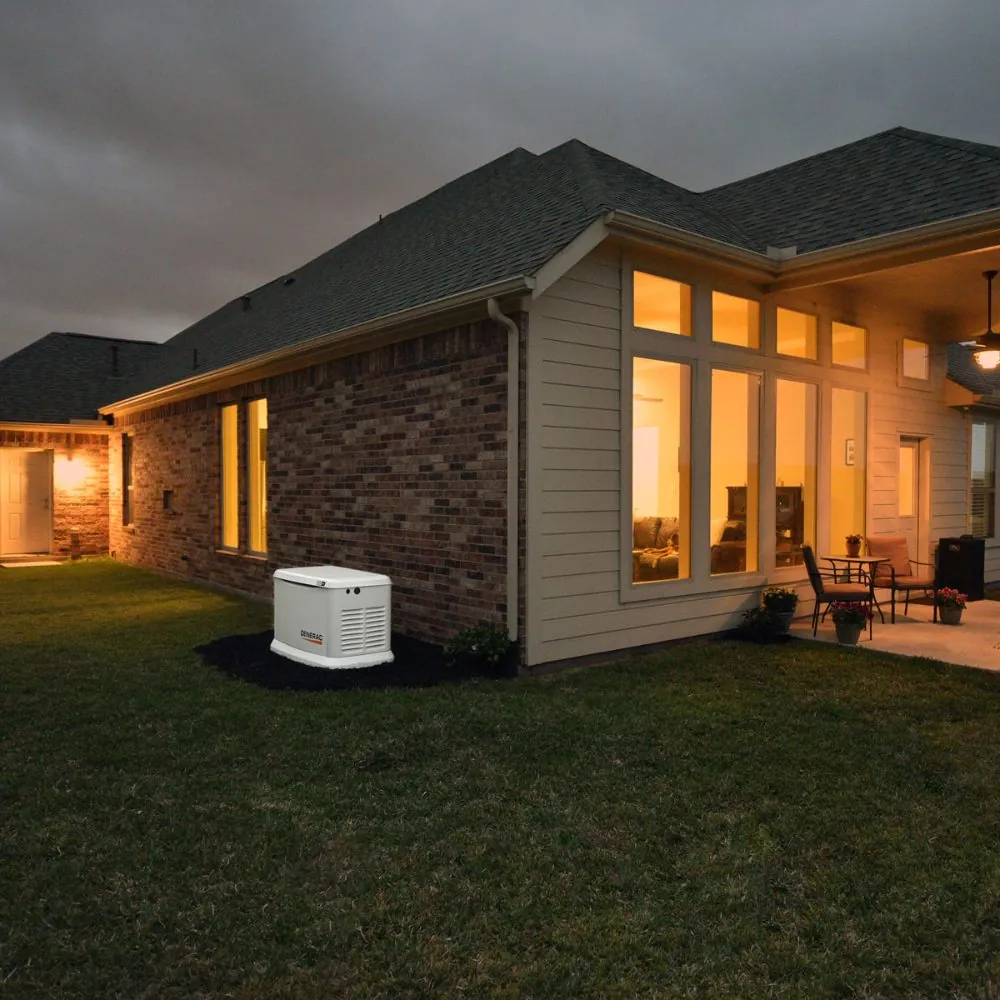
Generators are a valid backup option — particularly for whole-home coverage at a lower upfront cost. But they come with real trade-offs:
- Fuel dependency: You need gasoline or propane on hand. During a multi-day PSPS event in winter, fuel shortages are common as neighbors scramble simultaneously.
- Noise and exhaust: Generators run on combustion — they're loud and can't be used in garages or enclosed spaces.
- Maintenance: Regular oil changes and test runs are required.
- No solar recharging: A generator uses fuel continuously; a battery + solar system is self-sustaining.
Many of our customers choose both — a battery for clean, quiet backup of essential loads, and a generator as the heavy-duty fallback for extended outages. We'll cover that combination in a future post.
Financial incentives available in 2026
The incentive landscape has changed significantly in 2026. Here's what's currently available for Colorado homeowners:
- Colorado DR 1307 Tax Credit — a state income tax credit for qualifying battery installations. This is currently one of the most significant financial incentives available.
- Xcel PSPS Battery Rebate — up to $10,000 for customers enrolled in Xcel's Medical Certification Program who live in Tier 2 or Tier 3 wildfire risk zones. Funding is limited — if this applies to you, act soon.
- Xcel Renewable Battery Connect IQ/DIC — bill credits for income-qualified customers or those in disproportionately impacted communities.
- City of Golden — $3,000 solar rebate and additional battery incentives for qualifying Golden residents.
We'll be doing a complete 2026 incentives breakdown in an upcoming post — including exactly how to stack these programs for maximum savings.
Is it worth it without solar?
Yes — a standalone battery still provides valuable backup power during PSPS events, storms, and grid outages. The difference is that without solar recharging, your backup capacity is limited to whatever is stored when the grid goes down.
If you're starting fresh, we almost always recommend solar + battery together. The combined system qualifies for more incentives, the solar pays for itself over time through electric bill savings, and the battery becomes a genuinely self-sustaining backup rather than a one-time reservoir.
If you already have solar, adding a battery is a straightforward retrofit that transforms an energy-saving investment into a resilience investment as well.
The bottom line
A home battery storage system is the most practical way to protect your household from PSPS events. Paired with solar, it becomes a self-renewing power source that can carry you through multi-day shutoffs without the noise, fumes, or fuel logistics of a generator.
The December 2025 events made a lot of Colorado homeowners think seriously about energy resilience for the first time. If you're one of them, now is a good time to act — demand for battery systems is rising, and installation lead times have extended.
Not sure what size system your home needs?
Solar Wave offers free, no-pressure consultations to help you figure out the right system size and configuration for your home.
Schedule Your ConsultationSolar Wave is a Colorado-based solar, battery storage, and generator installation company serving homeowners across the Front Range. We install Enphase and Tesla Powerwall systems and believe in transparent pricing and honest recommendations.

Steven Weaver
Steven is the founder of Solar Wave and has dedicated the last seven years of his career to the solar industry. After consulting for multiple solar companies across the US he founded Solar Wave in Denver, Colorado. Solar Wave is on a mission to continue the rapid deployment of residential and commercial solar in Colorado by offering the best solar equipment and installation services at the lowest prices possible.