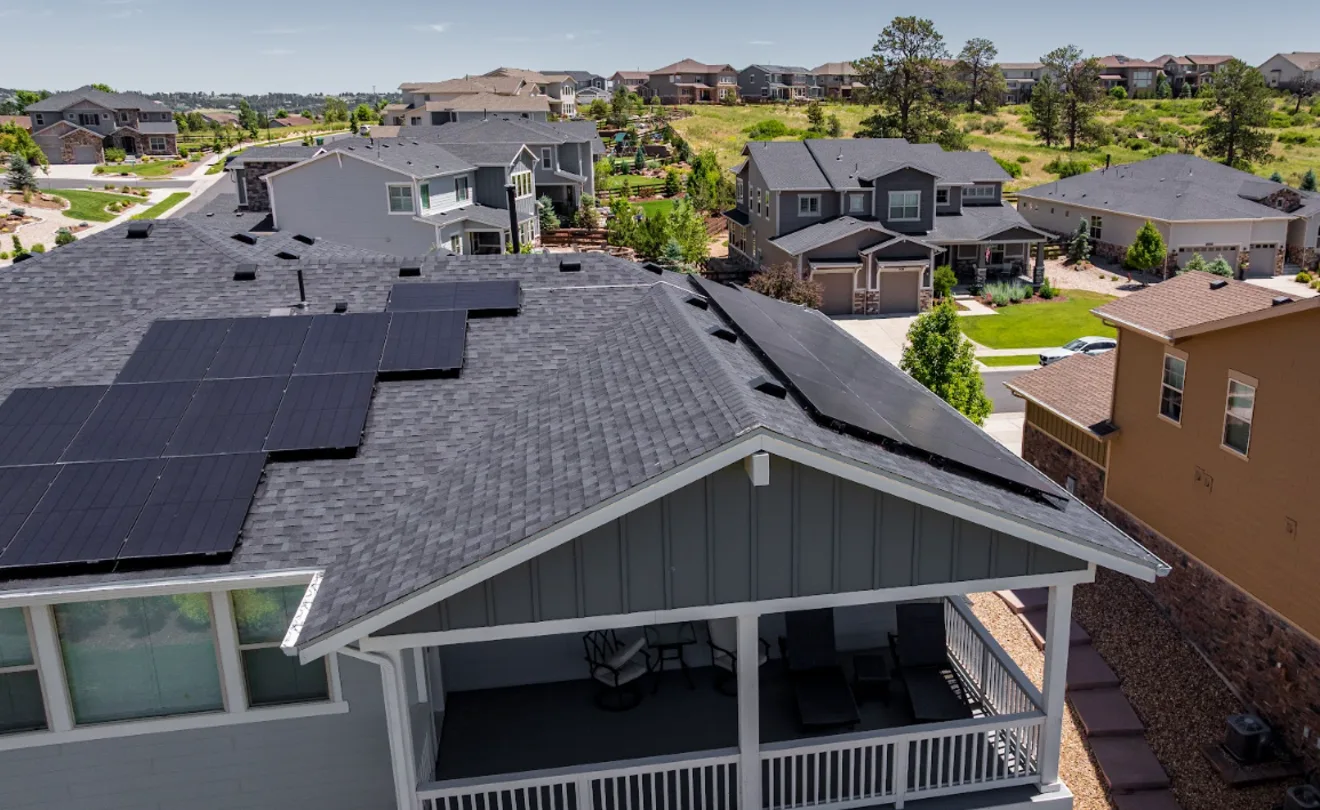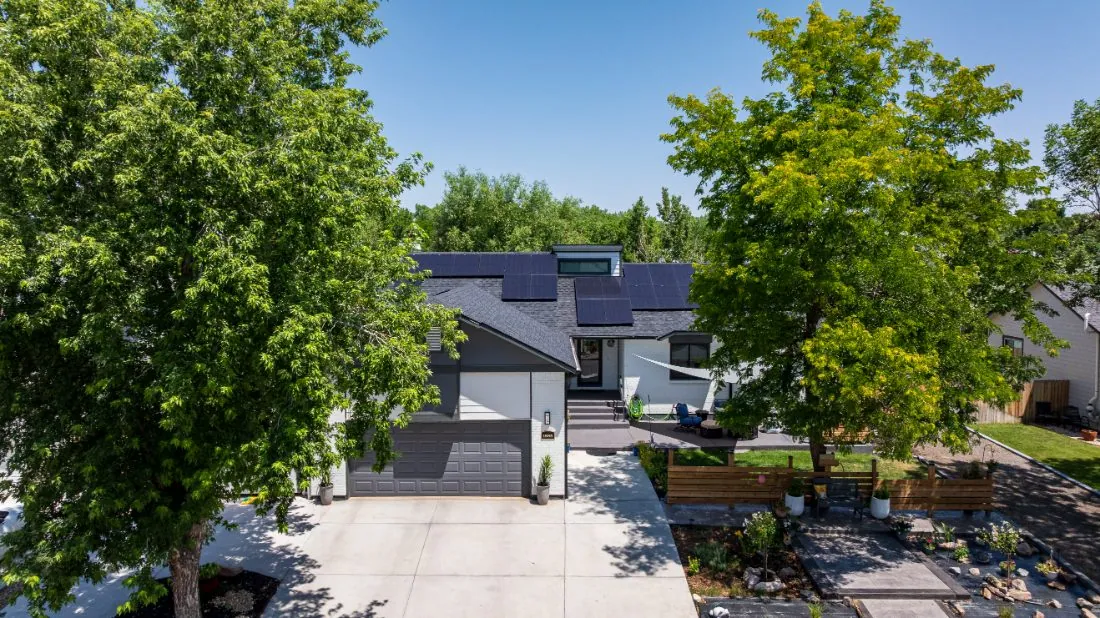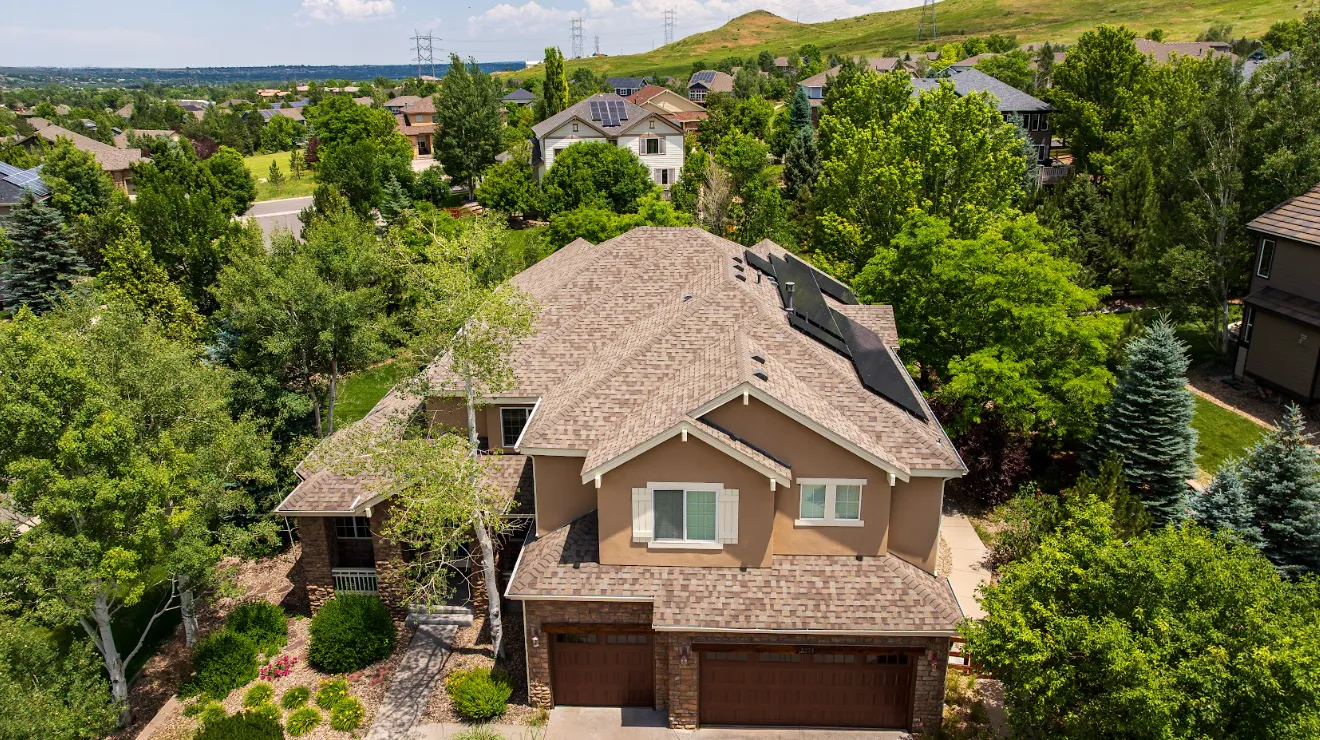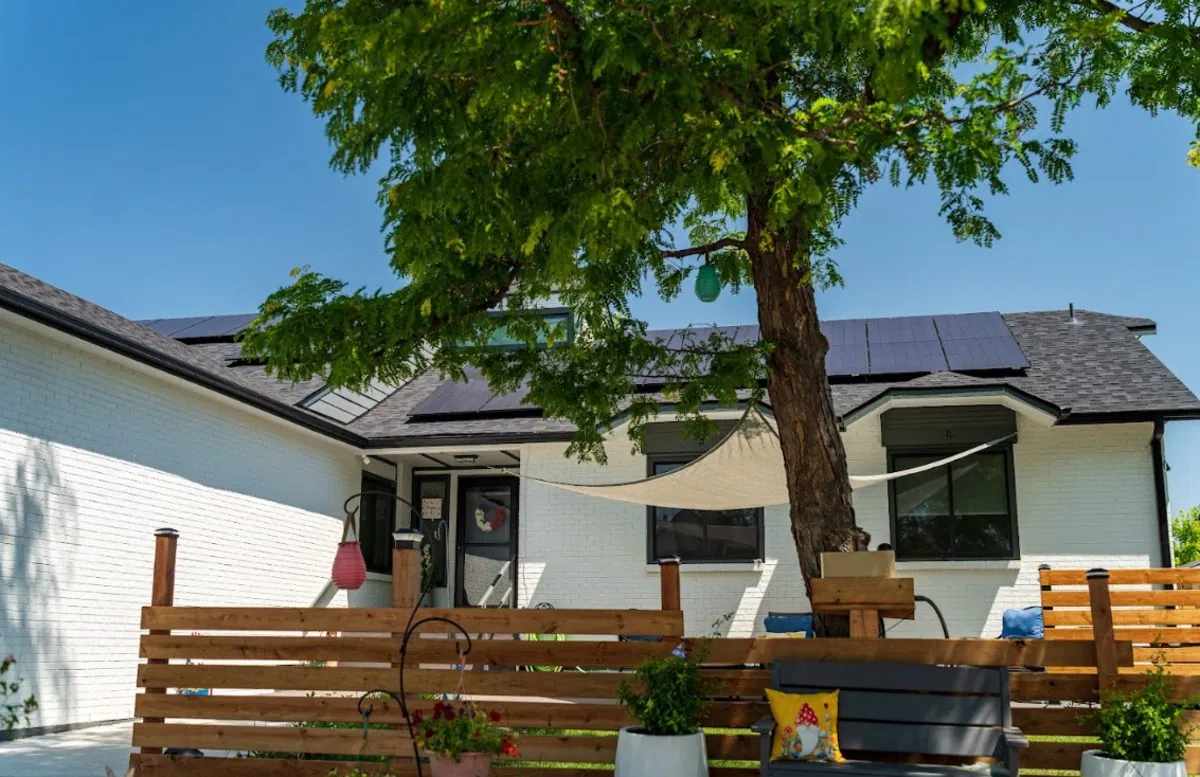
As incentives evolve in 2026, homeowners still have two great paths to solar with Solar Wave: (1) a Lightreach PPA (pay per kWh, no/low upfront costs, maintenance included) or (2) cash ownership (you own it) with discounted equipment that isn't eligible for third-party programs but is fully safe, warrantied, and code-compliant.
Option 1: Lightreach PPA (Power Purchase Agreement)
What it is: You pay a set price per kWh for the power your rooftop system produces. Lightreach owns the equipment, covers monitoring, maintenance, and performance; Solar Wave handles design and installation. You get solar power without a large upfront payment.
Why PPA pricing can be attractive in 2026: Third-party owners (like Lightreach) can typically monetize incentives that homeowners may not be able to in 2026 — such as the investment tax credit (ITC via 48/48E transfer) and depreciation. The value of those incentives is built into the PPA and helps keep the per-kWh price competitive versus your utility rate.
How PPAs are structured
- Rate style: fixed (no escalator) or with an escalator (e.g. +1–3%/yr). No escalator means a higher starting rate that doesn't rise; with an escalator you get a lower starting rate and a small annual increase.
- Term: typically 20–25 years.
- What's included: monitoring, maintenance, performance obligations, and repairs are handled by the PPA owner.
- Moving: you can usually transfer the agreement to a buyer or buy out the system per contract terms.
Who it's for: Homeowners who want low upfront cost, simple billing, and hands-off maintenance, and who are comfortable not owning the system.
Option 2: Cash ownership with discounted equipment
What it is: You buy and own the system; Solar Wave installs it. In 2026, we can source high-quality, warrantied equipment at discounted pricing — and pass those savings to you.
Why equipment is discounted right now: Some excellent modules, inverters, and BOS components on the market don't meet FEOC (Foreign Entity of Concern) compliance rules required for certain third-party ownership structures like PPAs. Those products still meet UL, code, and manufacturer warranty standards, but they're not eligible for PPA inventory. That constraint can create attractive pricing for cash buyers, who aren't bound by third-party compliance rules.
Ownership basics
- You capture all the bill savings from every kWh your system produces.
- You choose brands and layout, and you can add batteries, a Span smart panel, or even a standby generator later.
- Maintenance is your responsibility. Equipment manufacturers offer great warranties on their equipment, and Solar Wave offers a workmanship warranty.
- No contract transfer risk if you sell the home — because you own the asset.
Who it's for: Homeowners optimizing total lifetime savings and control who can make (or finance) the upfront investment.
Colorado example: 7 kW rooftop system
Below is a simple, illustrative comparison using common Colorado assumptions. Adjustments for your roof, shading, utility, and specific equipment will change results — your Solar Wave proposal will use your actual 12-month usage and site conditions.
- System size: 7 kW; Year-1 production ≈ 9,800 kWh; 0.5% annual degradation
- Utility rate Year-1: $0.16/kWh, utility escalation 2.5%/yr
- Cash price (discounted equipment): $2.60/W ⇒ $18,200 upfront, with an inverter replacement of $1,800 in Year 13
- Lightreach PPA rate Year-1: $0.165/kWh, PPA escalator: 0%/yr
- Analysis horizon: 25 years
What the example implies
- Ownership: highest long-term savings, with simple payback around 10 years; IRR often in the high single to low double digits given these assumptions.
- Lightreach PPA: no large upfront cost. Year-1 savings are low but grow over time if your utility rate escalates faster than the PPA rate; maintenance is included. Strong for homeowners prioritizing cash flow and simplicity.
Exact results vary. Your proposal will reflect your roof, utility plan, local fees, equipment mix, and whether you add batteries or a Span panel.
Pros and cons, side by side
| Lightreach PPA | Cash Ownership (Discounted Equipment) | |
|---|---|---|
| Pros | Low/no upfront; predictable per-kWh price; maintenance and performance handled; incentives embedded in the rate. | Highest lifetime savings; you own the system; broader equipment choice including discounted gear that isn't PPA-eligible due to FEOC; maximum flexibility for upgrades. |
| Cons | You don't own the asset; potential escalator; contract transfer/buyout rules; equipment choices limited to program-eligible inventory. | Upfront payment (or financing); you carry maintenance, backed by manufacturer and Solar Wave workmanship warranties; production risk is yours. |
Which one should you choose?
- Choose Lightreach PPA if you want the simplest path to immediate solar with low upfront cost and included maintenance — and you're comfortable paying per kWh under a long-term agreement.
- Choose cash ownership with discounted equipment if you want maximum control and the lowest lifetime cost, and you're comfortable with the upfront purchase or standard financing.
Want a side-by-side comparison for your home?
Send us your last 12 months of kWh usage and we'll build a custom roof layout, shade-adjusted production, and a clear side-by-side comparison of both options.
Request Your Free Quote
Steven Weaver
Steven is the founder of Solar Wave and has dedicated the last seven years of his career to the solar industry. After consulting for multiple solar companies across the US he founded Solar Wave in Denver, Colorado. Solar Wave is on a mission to continue the rapid deployment of residential and commercial solar in Colorado by offering the best solar equipment and installation services at the lowest prices possible.