If you're a Colorado homeowner, there's a good chance you've heard the term "PSPS" for the first time in the last few months — and probably not in a good context.
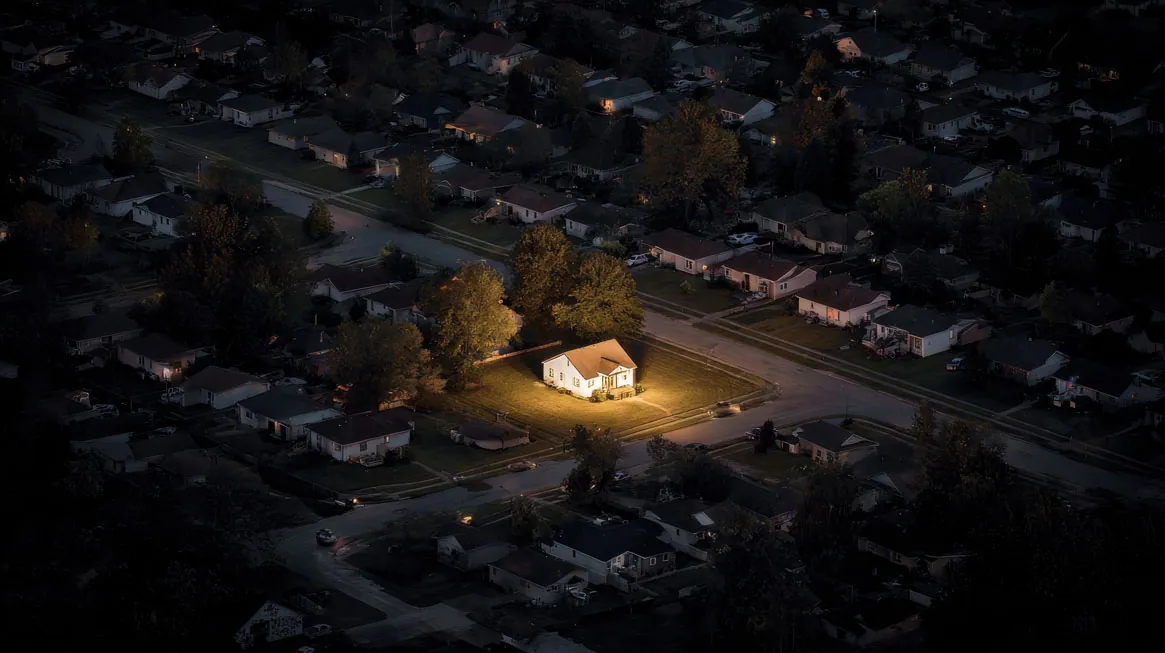
In December 2025, Xcel Energy shut off power to more than 100,000 homes and businesses across the Front Range. Some communities went without electricity for up to five days. Pipes froze. Businesses lost tens of thousands of dollars. People who depend on medical equipment were told to go to the emergency room.
It wasn't a storm that knocked out the grid. Xcel turned the power off on purpose.
These planned outages are called Public Safety Power Shutoffs, or PSPS events, and they're likely here to stay. Here's what every Colorado homeowner should understand about them.
What is a Public Safety Power Shutoff?
A Public Safety Power Shutoff is exactly what it sounds like: the utility company intentionally de-energizes power lines in specific areas to reduce the risk of starting a wildfire.
During extreme wind events, power lines can be damaged by falling trees, flying debris, or the sheer force of gusts. When a line breaks or arcs, it can throw sparks onto dry vegetation — and in Colorado's increasingly dry winters, that's all it takes to start a catastrophic fire.
Xcel Energy began implementing PSPS events in Colorado in April 2024. The program mirrors what California utilities like PG&E have been doing for years, but it's relatively new to Colorado — and the scale of the December 2025 events caught many residents off guard.
Why did the December 2025 shutoffs happen?
The December 2025 PSPS events were triggered by a combination of dangerous conditions:
- Wind gusts exceeding 100 mph along the Front Range foothills
- Extremely low humidity — dry air that makes vegetation highly combustible
- Tinder-dry fuels — Colorado's warmer temperatures have been delaying snowfall and extending fire-danger conditions further into winter
Xcel Energy CEO Robert Kenney told Colorado lawmakers that the wind patterns matched those that preceded the devastating Eaton and Palisades fires in Southern California. The utility made the call to shut off power rather than risk a repeat of the 2021 Marshall Fire, which destroyed more than 1,000 homes in Boulder County.
Two back-to-back shutoffs occurred:
- Wednesday, December 17 — a smaller shutoff affecting areas near the foothills in Boulder, including North Boulder, the Chautauqua area, and South Boulder
- Friday, December 19 — a much larger shutoff expanding to Gunbarrel, areas near Baseline Reservoir, and broader swaths of the Front Range
The second event was larger because Friday's forecast showed strong winds pushing farther east, and Wednesday's storm had already damaged infrastructure, creating additional risk.
Why did power stay off for days?
This is the part that frustrated homeowners the most. The wind died down — so why didn't the lights come back on?
Before Xcel can restore power, every affected line must be physically inspected to confirm it's safe to re-energize. Damaged equipment that's not caught before power is restored can arc, spark, and start exactly the kind of fire PSPS events are designed to prevent.
In December 2025, the high winds caused widespread damage across the system — broken poles, downed lines, and debris wrapped around equipment. Crews couldn't begin inspections until conditions were safe, and the sheer scope of damage meant restoration took days, not hours.
As Kenney explained to lawmakers: "Once the weather clears, we cannot immediately turn power back on."
Which areas are most affected?
PSPS events don't affect the entire Xcel service territory. They target areas where the combination of infrastructure, terrain, and vegetation creates the highest wildfire risk.
Xcel classifies areas into wildfire risk tiers:
- Tier 2 (medium risk) — elevated wildfire potential based on vegetation, terrain, and weather patterns
- Tier 3 (high risk) — highest risk zones, typically along the foothills and in mountain communities
Communities along the Front Range foothills — including parts of Boulder, Lakewood, Golden, Jefferson County, and Larimer County — are most likely to be affected. But as the December events showed, wind-related damage can knock out power even in areas that weren't part of the planned shutoff.
You can check your property's wildfire risk tier on Xcel Energy's wildfire mitigation page.
Are PSPS events going to keep happening?
Yes. Xcel Energy has been clear that PSPS events are a necessary tool for wildfire prevention, and the conditions that trigger them are becoming more common:
- Climate change is pushing fire-danger conditions later into winter and earlier into spring
- Drought-stressed trees are more likely to fail in high winds and contribute to fire spread
- Growth into wildland-urban interface areas puts more homes at risk
- Aging infrastructure — some of Xcel's poles are decades old and more vulnerable to extreme weather
Xcel is investing in improvements to make future shutoffs shorter and more targeted:
- Sectionalization devices that allow crews to shut off smaller segments instead of entire feeder lines (targeted for completion by end of 2027)
- 50 miles of underground distribution lines in high-risk areas like Boulder and Larimer Counties
- 80 AI-powered cameras scanning for smoke plumes
- 102 new weather stations for better forecasting
- Drone and helicopter patrols to speed up post-storm inspections
But these upgrades will take years to fully deploy. In the meantime, PSPS events will continue — and Colorado lawmakers are pushing the PUC to establish stricter rules around how they're communicated and managed.
What can homeowners do to prepare?
If you live anywhere along the Front Range, preparing for PSPS events should be part of your routine — just like preparing for winter storms.
Short-term steps
- Sign up for Xcel Energy outage alerts at xcelenergy.com to get advance notice of planned shutoffs
- Keep emergency supplies on hand — flashlights, batteries, a battery-powered radio, and non-perishable food
- Know your medical needs — if anyone in your household relies on powered medical equipment, enroll in Xcel's Medical Certification Program for priority notification and support
- Have a communication plan — cell towers can go down during extended outages; know where your nearest community resource center is
Long-term solutions
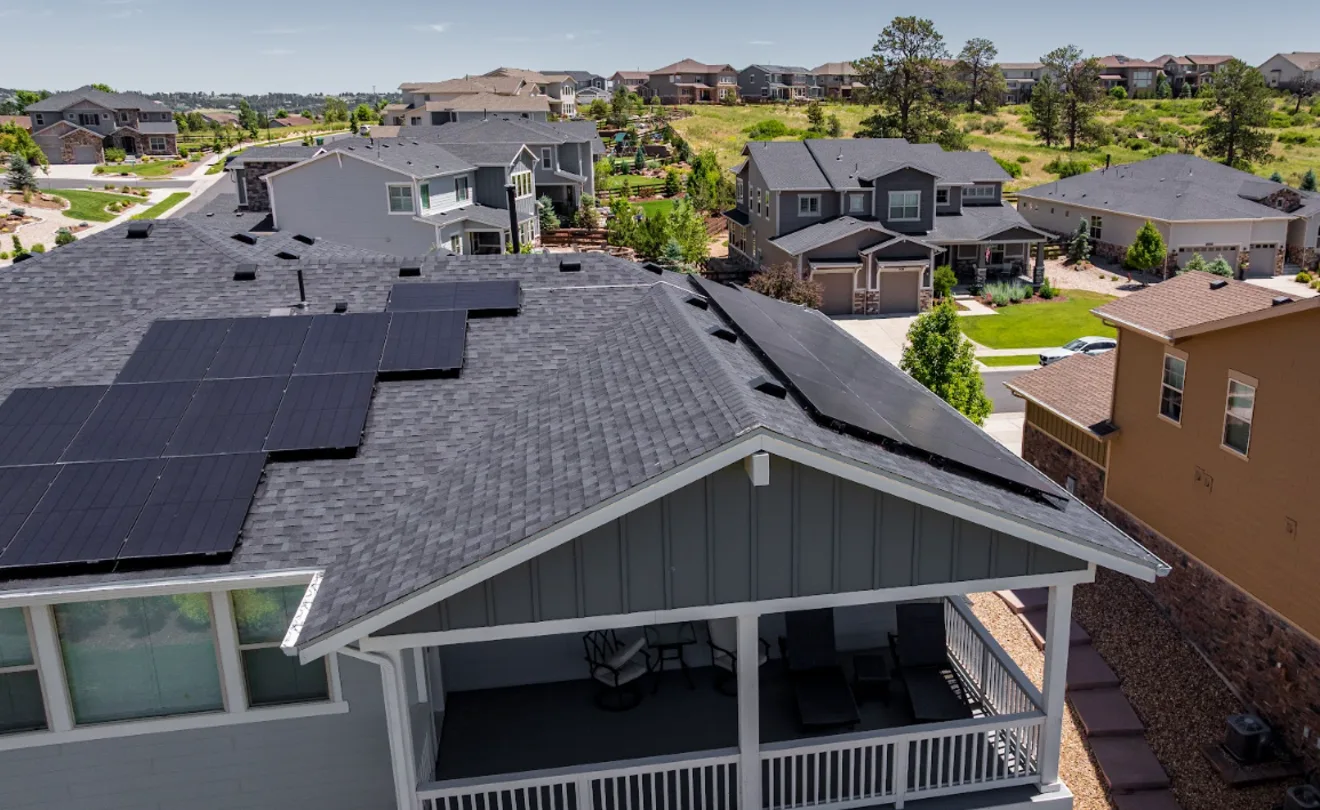
- Home battery storage — a battery system like the Enphase IQ Battery or Tesla Powerwall 3 can keep your essential circuits running for hours or even days during a shutoff. When paired with solar panels, the battery recharges itself during the day — giving you potentially unlimited backup power.
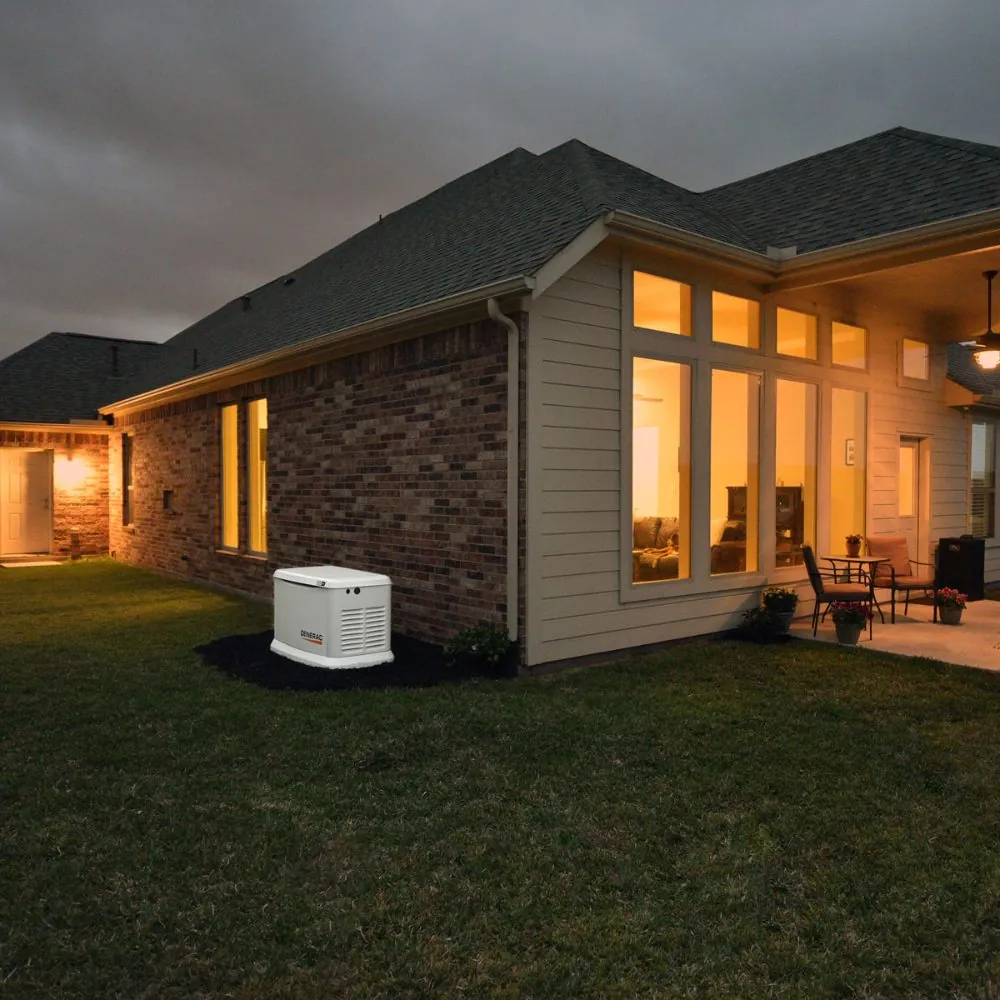
- Backup generator — a standby generator (like a Generac) provides whole-home backup power during extended outages, running on natural gas or propane.
- Solar + battery combination — the most resilient option. Solar panels generate power during the day, charge your battery, and your home runs independently of the grid during a PSPS event.
Available incentives
Colorado homeowners still have meaningful financial incentives available to reduce the cost of battery storage:
- Colorado DR 1307 Tax Credit — a state tax credit for qualifying battery installations, claimed when you file your Colorado state taxes
- Xcel PSPS Battery Rebate — up to $10,000 for medically certified customers living in Tier 2/3 wildfire risk zones
- Xcel Renewable Battery Connect IQ/DIC — bill credits available for income-qualified customers or those in disproportionately impacted communities. Check if your home is eligible
- Local rebates — cities like Golden offer additional solar and battery rebates for qualifying properties
We'll be covering each of these incentive programs in detail in upcoming posts.
The bottom line
Public Safety Power Shutoffs are Colorado's new reality. They're not a sign that the grid is failing — they're a deliberate tool to prevent wildfires. But that doesn't make five days without power any easier to live through.
The best thing homeowners can do is take control of their own energy resilience. Whether that's a battery backup, a generator, or a full solar-plus-storage system, the technology exists to keep your home running no matter what Xcel decides to do with the grid.
Want to explore backup power for your home?
Solar Wave offers free consultations to help you find the right solution — no pressure, just honest advice.
Get a Free ConsultationSolar Wave is a Colorado-based solar, battery storage, and generator installation company serving homeowners across the Front Range. We believe in transparent pricing, honest education, and systems designed to actually work when you need them.

Steven Weaver
Steven is the founder of Solar Wave and has dedicated the last seven years of his career to the solar industry. After consulting for multiple solar companies across the US he founded Solar Wave in Denver, Colorado. Solar Wave is on a mission to continue the rapid deployment of residential and commercial solar in Colorado by offering the best solar equipment and installation services at the lowest prices possible.