Introduction
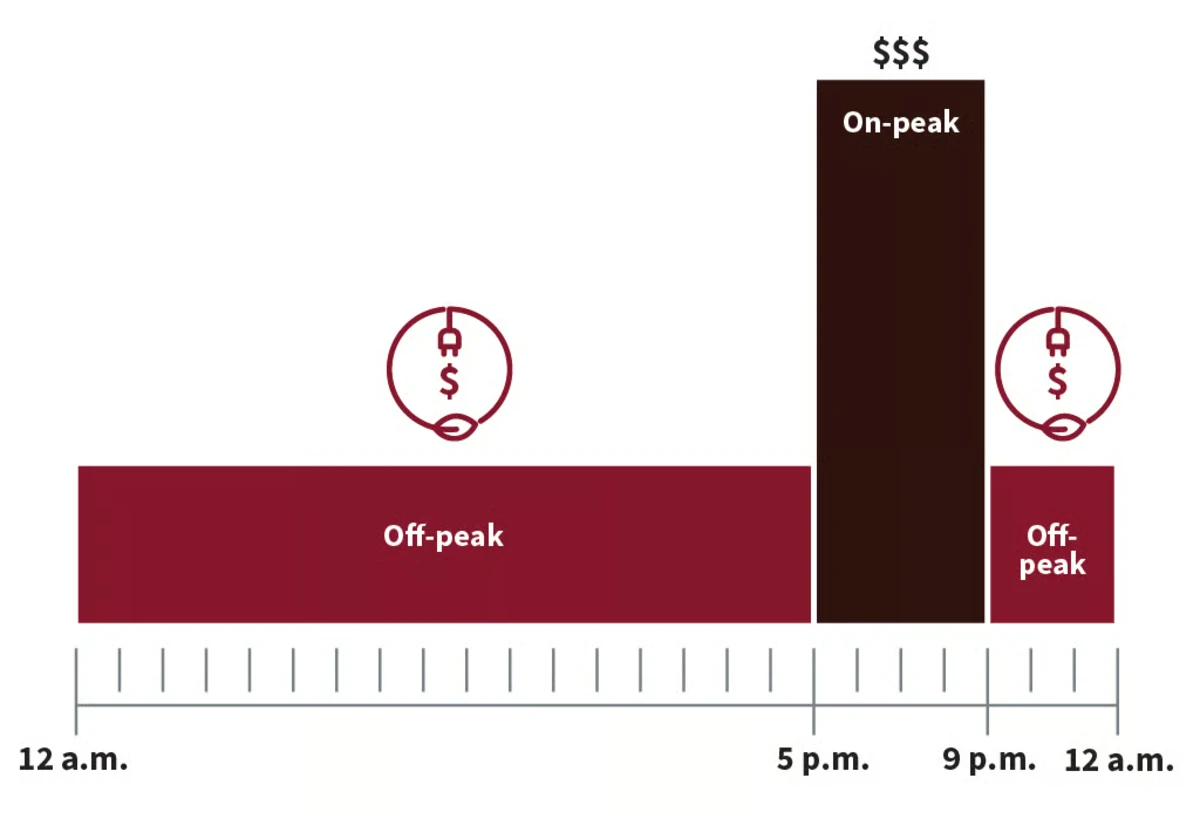
Xcel Energy Colorado charges residential customers different electricity rates depending on what time of day they use energy. Power used during "On-Peak" hours costs roughly three times as much as the same power used off-peak — so when you run your major appliances now matters as much as how much you use.
This changed significantly on November 1, 2025. Xcel replaced its old three-period structure with a simpler two-period one. If you learned these rates a few years ago, two things are different: the expensive window moved later in the day, and the Mid-Peak period no longer exists.
What changed in November 2025
| Before Nov. 1, 2025 | Now | |
|---|---|---|
| Rate periods | Three (Off-Peak, Mid-Peak, On-Peak) | Two (Off-Peak, On-Peak) |
| On-Peak window | 3 p.m. – 7 p.m. weekdays | 5 p.m. – 9 p.m. weekdays |
| Mid-Peak window | 1 p.m. – 3 p.m. weekdays | Eliminated — now off-peak |
Xcel describes the change as revenue neutral, meaning it was not itself a rate increase. But it does move which hours are expensive, in both directions:
- 3 p.m. – 5 p.m. got cheaper. Formerly On-Peak, now Off-Peak.
- 7 p.m. – 9 p.m. got more expensive. Formerly Off-Peak, now On-Peak.
- 1 p.m. – 3 p.m. got cheaper. Formerly Mid-Peak, now Off-Peak.
So if you built habits around the old 3–7 p.m. window, the evening block you used to treat as safe — dinner, dishes, laundry after 7 — is now the expensive one.
The current rate periods
| Period | When it applies |
|---|---|
| On-Peak | Weekdays 5 p.m. – 9 p.m., excluding holidays — year-round |
| Off-Peak | All other hours, plus weekends and holidays |
The On-Peak window is the same all year. What changes seasonally is the price attached to it. Xcel splits the year into two seasons:
- Summer: June 1 – September 30
- Winter: October 1 – May 31
What it costs
Approximate residential Time of Use rates (Schedule RE-TOU), before the riders and adjustments that appear on every bill:
| Period | Summer | Winter |
|---|---|---|
| On-Peak | ~21 cents/kWh | ~18 cents/kWh |
| Off-Peak | ~7 cents/kWh | ~6 cents/kWh |
The gap is the part worth internalizing: on-peak power costs roughly three times what off-peak power costs. Shifting laundry, dishwashing, and EV charging outside the 5–9 p.m. window is the single highest-leverage change most households can make.
Opting out
Residential customers are placed on the Time of Use rate by default once they receive a smart meter, but you can opt out onto a flat rate (Schedule R-OO) that charges the same price per kWh regardless of when you use it. That flat rate sits between the TOU on-peak and off-peak prices — recently around 10 cents per kWh in summer and 9 cents in winter.
Opting out of Time of Use is separate from opting out of the smart meter itself; you can do one without the other. To switch, call Xcel at 800-895-4999 or use your Xcel My Account portal. The change typically takes about 30 days.
Whether opting out helps depends entirely on your usage pattern. If you are home in the evenings and cannot shift much load out of 5–9 p.m., the flat rate may cost you less. If you can move usage — or if you have solar or a battery — Time of Use usually works in your favor.
The takeaway
Time of Use rewards flexibility and penalizes evening usage. Households that shift major appliance use out of the 5–9 p.m. window generally come out ahead; households that do not can see their bills rise even though the rate change itself was revenue neutral.
Combat utility rate hikes with solar
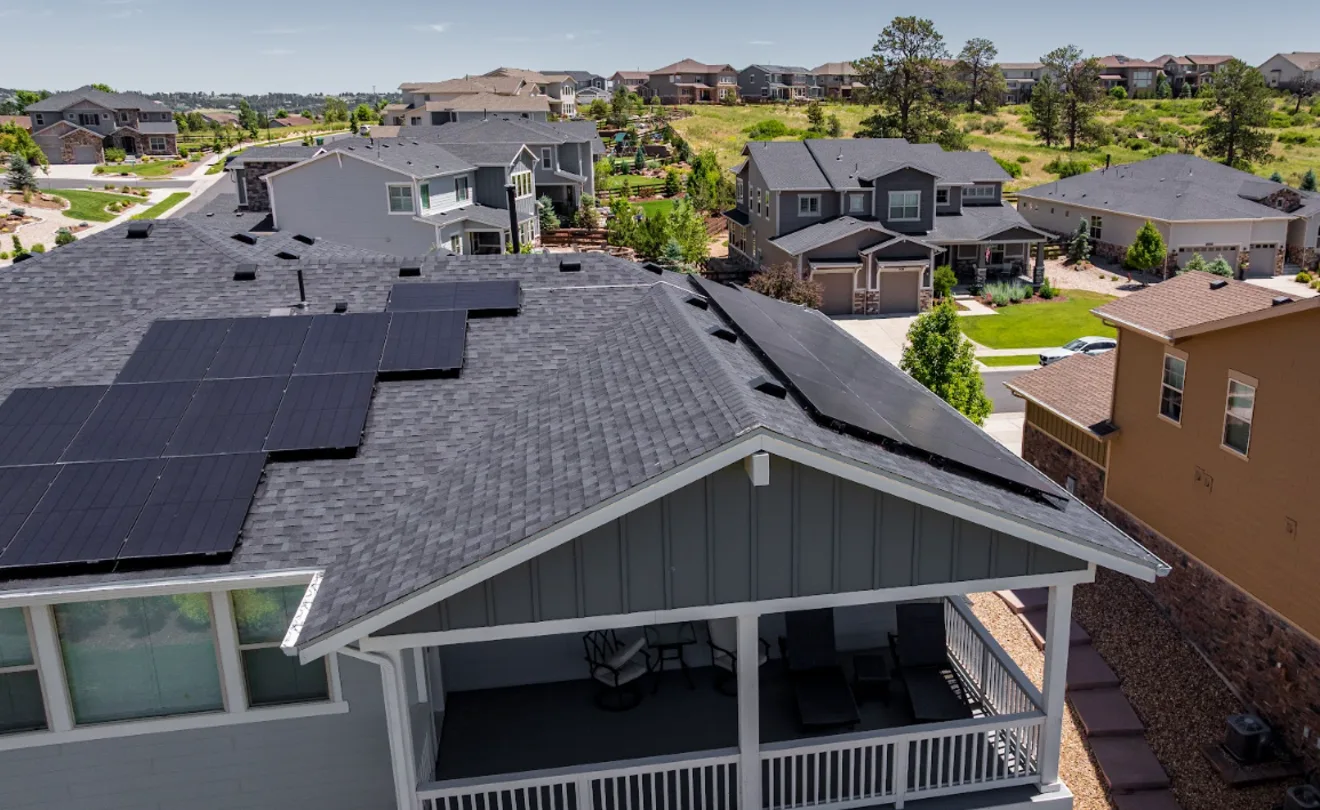
Solar is a great way to combat these never-ending utility rate increases. A properly sized solar panel system on your home can produce enough power to offset your electricity usage and help support the grid during peak demand hours.
Solar alone does not fully solve the 5–9 p.m. problem, though — production falls off in the evening precisely as the expensive window opens. That is why pairing solar with a home battery has become the stronger play under this rate structure: you store cheap midday production and discharge it through the on-peak window instead of buying that power at three times the price. You can model your own numbers with our battery estimator.
Request a free proposal, 100% online
Gather your last 12 months of utility usage data and we'll build a custom design for your home.
Start Your ProposalUpdated August 2026 to reflect Xcel's two-period Time of Use structure, effective November 1, 2025. Rates shown are approximate and exclude riders and adjustments; Xcel's prices change periodically. For current rates and terms, see Xcel's Time of Use pricing page.

Steven Weaver
Steven is the founder of Solar Wave and has dedicated the last seven years of his career to the solar industry. After consulting for multiple solar companies across the US he founded Solar Wave in Denver, Colorado. Solar Wave is on a mission to continue the rapid deployment of residential and commercial solar in Colorado by offering the best solar equipment and installation services at the lowest prices possible.